Clan Campbell
Crest & Motto
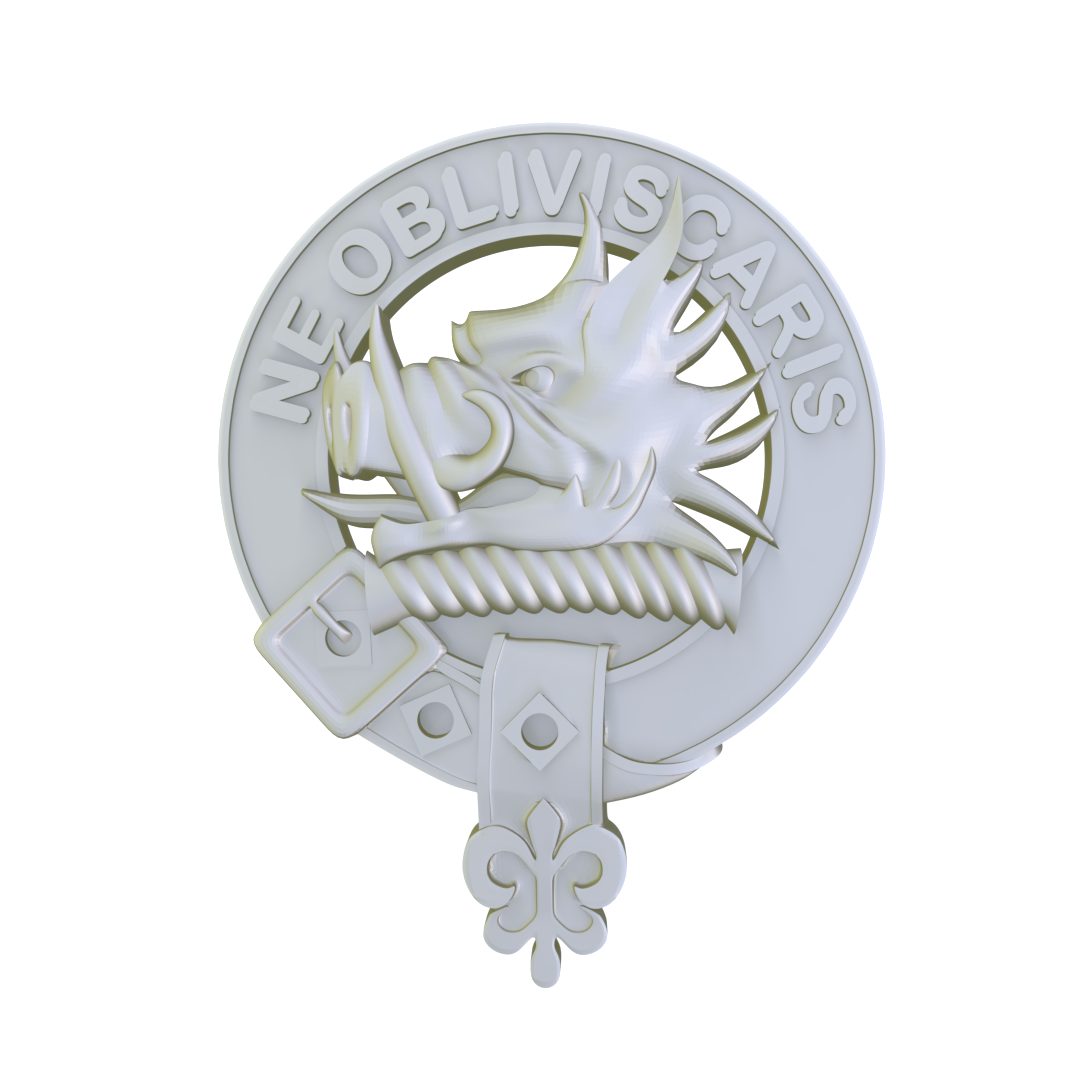 The Campbell crest shows a boar’s head, and the motto is Ne Obliviscaris: forget not.
History
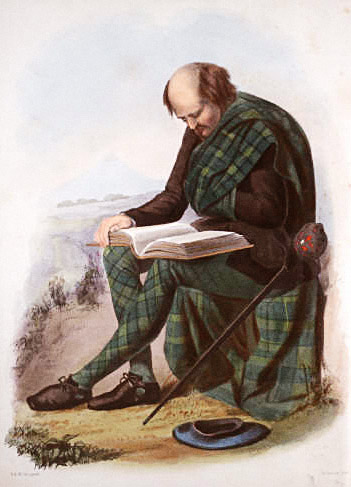
The Campbells take their name from the Gaelic nickname caimbeul, meaning crooked mouth. Their heartland is Argyll, centred originally on Loch Awe. Cailean Mor (Colin the Great), killed in 1296, gave the chiefs their Gaelic patronymic Mac Cailein Mor, son of Great Colin, which the chief still carries today.
Loyal service to Robert the Bruce and successive Stewart kings brought steady reward. The chiefs became Earls of Argyll in 1457 and Dukes of Argyll in 1701, moving their seat to Inveraray on Loch Fyne. For centuries the Campbells acted as the Crown’s principal agents in the western Highlands, expanding at the expense of neighbours including the MacDonalds and MacLeans, a dominance that left a long trail of rivalries.
The 17th century cost the house dearly. The 1st Marquess of Argyll, leader of the Covenanting government, was executed in 1661 after the Restoration, and his son the 9th Earl was executed in 1685 after rebelling against James VII. In 1692 a government regiment commanded by Robert Campbell of Glenlyon carried out the Massacre of Glencoe against the MacDonalds, an act ordered by the government rather than the clan, but one that has coloured Campbell and MacDonald folklore ever since. Through the Jacobite risings the Campbells anchored the government side, with Campbell militia fighting at Culloden in 1746.
Argyll largely escaped the worst of the Clearances, but economic emigration in the 18th and 19th centuries carried Campbells across North America and Australasia. The name is today among the most common Scottish surnames worldwide.
Clan Chief
The current chief is Torquhil Ian Campbell, 13th Duke of Argyll, Mac Cailein Mor, of Inveraray Castle, chief since 2001.
Clan Tartan
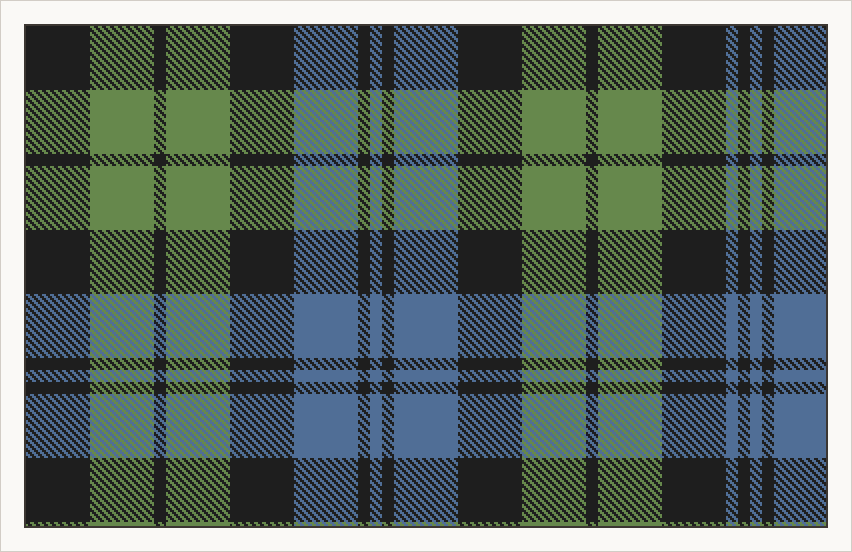
Septs and Family Names
Many family names are counted among the septs of Clan Campbell. If your surname appears here, your family history leads back to this clan: Arthur, Ballantyne, Bannatyne, Blanton, Brunton, Burnes, Burness, Burnett, Burns, Caddell, Cadell, Calder, Calvert, Camp, Connochie, Conochie, Denoon, Denune, Gibbon, Gibson, Gilkey, Gilkie, Harres, Harris, Hastings, Hawes, Haws, Hawson, Isaac, Isaacs, Iverson, Kellar, Keller, Kemp, Kissack, Kissock, Lorne, Louden, Loudon, Loudoun, Lowden, Lowdon, MacArtair, MacArthur, MacCarte, MacColm, MacColmbe, MacConachie, MacConchie, MacConnechy, MacConochie, MacDermid, MacDermott, MacDiarmid, Maceller, MacElvie, Macever, MacGibbon, MacGlasrich, MacGubbin, Macgure, MacIsaac, MacIver, MacIvor, MacKellar, MacKelvie, MacKerlie, MacKessack, MacKessock, MacKissock, MacLaws, MacLehose, MacNichol, MacNocaird, MacOran, MacOwen, MacPhederain, MacPhedran, MacPhun, MacTause, MacTavish, MacThomas, Macure, McGilekeyr, McKellar, McKerrow, Moore, Muir, Ochiltree, Orr, Paterson, Pinkerton, Riddell, Tanner, Taweson, Tawesson, Thomas, Thomason, Thompson, Thomson, Tonner, Torrie, Torry, Ure.
Unsure how clan names, crests and septs work? Our guide to Scottish clan names explains the rules.
Further reading
Clan Campbell Society (North America), founded 1929.
Sister societies in Britain, Australia, New Zealand and Nova Scotia are listed at Inveraray Castle.
The Campbell Crest as a 3D Model
You can download the Campbell crest as a 3D model file (£10 to £25) and print it on any 3D printer, or carve it in wood on a CNC machine.
See the Campbell lands of Argyll on our interactive clan map of Scotland.